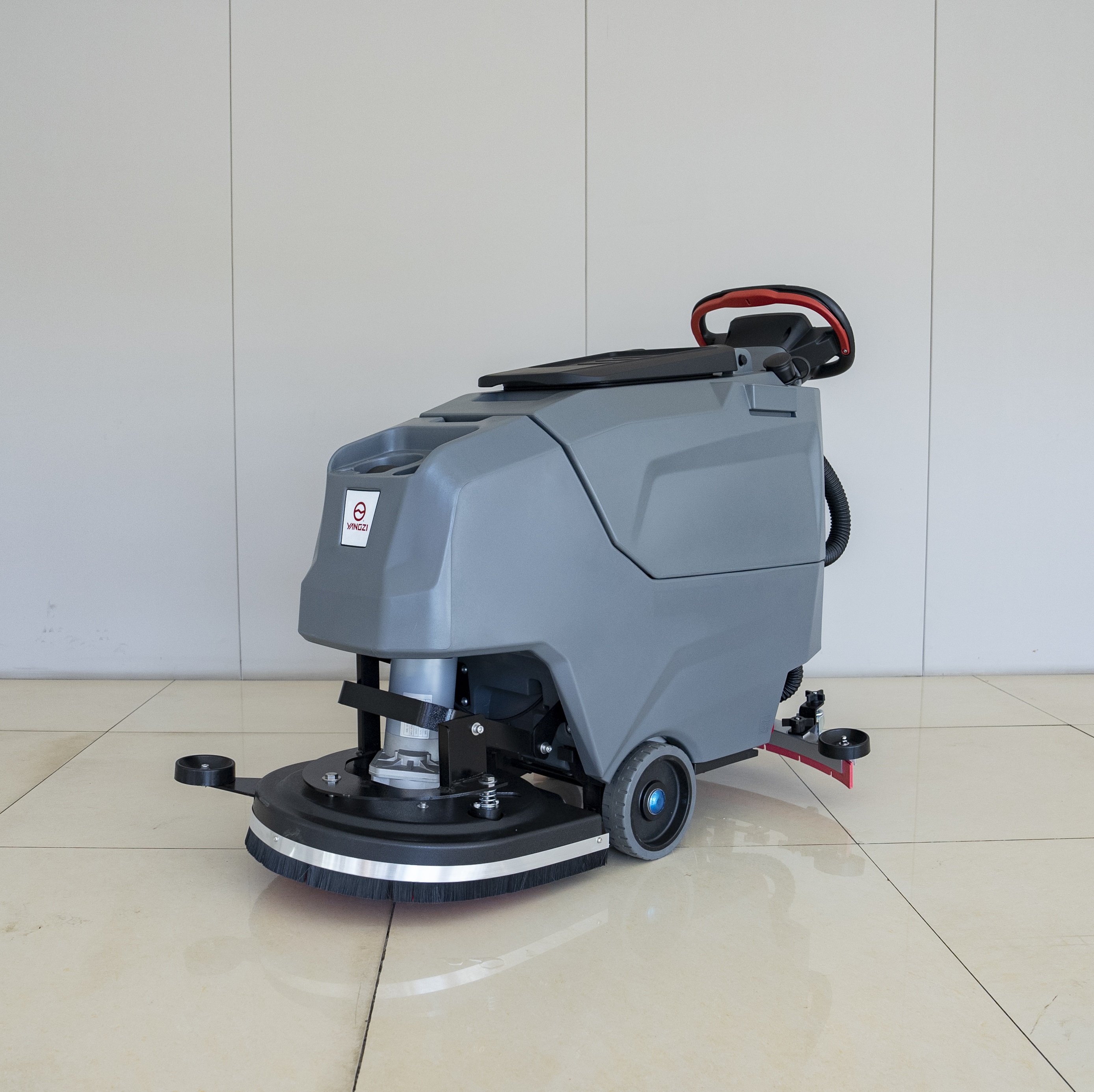
In industrial and commercial environments, maintaining cleanliness is crucial for both safety and productivity. One of the most effective tools for keeping factory floors clean and well-maintained is a floor scrubber. In this article, we will dive into what a floor scrubber is, how it works, and how to properly use it to clean factory floors efficiently.
What is a Floor Scrubber?
A floor scrubber is a piece of cleaning equipment specifically designed for cleaning large, hard floor surfaces. Unlike traditional mops, which can be labor-intensive and time-consuming, floor scrubbers combine several cleaning processes into one machine. These machines use scrubbing brushes or pads, water, and cleaning solutions to loosen dirt and debris, while also **vacuuming up** the dirty water and leaving floors dry and ready for use.
Floor scrubbers come in various types, ranging from walk-behind models to ride-on scrubbers, depending on the size of the area being cleaned. They are ideal for a wide variety of floor types, including concrete, vinyl, tile, and terrazzo—common materials found in factory settings.
How Does a Floor Scrubber Work?
At its core, a floor scrubber is a simple yet effective machine. Here’s a breakdown of how it works:
1. Water Tank: A floor scrubber has two primary tanks—one for clean water and another for collecting the dirty water after cleaning.
2. Scrubbing Brushes or Pads: The scrubbers are equipped with rotating brushes or pads that agitate the floor surface to loosen dirt, grease, and grime. The brushes come in various materials (nylon, poly, etc.) and sizes to suit different floor types and levels of dirt.
3. Solution Dispenser: The scrubber dispenses a cleaning solution (often mixed with water) onto the floor to aid in breaking down contaminants. The solution is spread evenly as the scrubber moves across the floor.
4. Vacuuming System: The scrubber also includes a vacuum system that squeegees the floor while removing the dirty water, leaving the surface clean and dry. This prevents slip-and-fall accidents and keeps the floor ready for immediate use.
Steps to Use a Floor Scrubber to Clean Factory Floors
Proper operation of a floor scrubber ensures effective cleaning and longevity of the equipment. Here are the steps to follow when using a floor scrubber in a factory setting:
Clear the Area: Before you begin, remove any obstacles like tools, materials, or equipment from the floor. This allows the scrubber to move freely and clean effectively.
Inspect the Floor Scrubber: Check the water tank to ensure it's filled with clean water. Ensure that the brushes or pads are in good condition and securely attached to the machine. Inspect the vacuum system to ensure it’s working properly.
Add Cleaning Solution: Fill the clean water tank with the appropriate cleaning solution. If using a commercial-grade floor scrubber, you may need to use a specialized floor cleaner. Always follow the manufacturer’s recommendations for solution concentration.
Set the Scrubber to the Right Settings: Most scrubbers allow you to adjust the speed and pressure of the brushes. For factory floors that are heavily soiled, you may need to adjust the settings for more aggressive cleaning.
Start Scrubbing: Turn on the machine and begin cleaning. Start from one corner of the factory floor and work your way toward the exit. Move the scrubber in slow, deliberate passes to allow the brushes to scrub and the vacuum system to pick up the dirty water.
For Walk-Behind Scrubbers: Push the scrubber forward while guiding it around the floor. Move in consistent patterns, either back-and-forth or in circular motions, to ensure thorough cleaning.
For Ride-On Scrubbers: Drive the machine at a steady pace, ensuring the vacuum is collecting the dirty water and that the scrubbers are in contact with the floor surface. For large spaces, overlap your passes to avoid missed spots.
Monitor the Water Level: Keep an eye on the dirty water tank. Once it is full, stop the machine and empty the tank to prevent it from overflowing and losing suction. Some scrubbers are equipped with automatic shut-off systems to prevent overfilling.
Final Touches: Once the cleaning is complete, allow the floor to dry fully before it is used again. In busy factory environments, you may want to place caution signs to indicate the floor is wet.
Post-Cleaning Maintenance: After use, always clean the floor scrubber by draining both water tanks and rinsing them out. Clean the brushes or pads by removing any debris. Inspect the machine for wear and tear, and store it in a safe, dry location.